
EYES ONLY
SUBSCRIBER ONLY // DO NOT FORWARD WITHOUT PERMISSION
BLACKOPS
FINANCE
FINANCE
COVERT FINANCIAL INTELLIGENCE. INTERCEPTED DAILY.
07 August 2026
DAILY DOSSIER
MISSION BRIEF
Intercepted 0600 ET
Thursday’s closing tape carried two numbers from the same pressure point. Brent crude rose 3.8% to $82.49 a barrel. The 10-year Treasury yield moved to 4.67% from 4.63%. Energy became more expensive, and so did time.
The equity indexes made the operation look smaller. The S&P 500 lost 0.2%, the Nasdaq Composite slipped 0.1%, and the Dow fell 0.9%. But the transmission did not stop at the closing bell. A higher barrel enters freight, chemicals, aviation, manufacturing, and household fuel bills. A higher Treasury yield enters mortgages, corporate refinancing, and the valuation applied to future earnings.
The Strait of Hormuz remains the trigger. The Energy Information Administration said disruptions there drove higher and more volatile petroleum prices through the second quarter. Brent traded as high as $118 on 29 April and as low as $72 on 26 June. Thursday’s move showed how quickly a negotiation headline can return the risk premium to the barrel.
The inflation ledger has little spare room. The personal consumption expenditures price index was 3.7% above its year-earlier level in June; core PCE was 3.3%. The monthly headline index actually fell 0.1%, helped by a 9.2% drop in gasoline and other energy prices. A renewed oil rise attacks the component that delivered that relief.
The Federal Reserve has already marked the risk. On 29 July, policymakers held the federal-funds target at 3.50% to 3.75% by a 9–3 vote. All three dissents favored a quarter-point increase. The statement named energy among the supply shocks keeping inflation above the 2% goal.
One oil shock is charging the market twice: first through the cost of producing and moving goods, then through the yield used to finance and value them. The barrel raises the invoice. The bond market decides how long that invoice remains expensive.
At 8:30 a.m. ET today, the July employment report will test the other side of the Fed’s mandate. The previous report showed only 57,000 payroll additions in June, a 4.2% unemployment rate, a participation-rate drop to 61.5%, and a combined 74,000 downward revision to April and May. The number has not landed yet. The market is positioned for the collision.
SPONSORED
BEST EXPLANATION on Options hands down!!
Let's face it - options trading can be confusing.
That's why I put together this free report that explains it using cartoon stick figures:
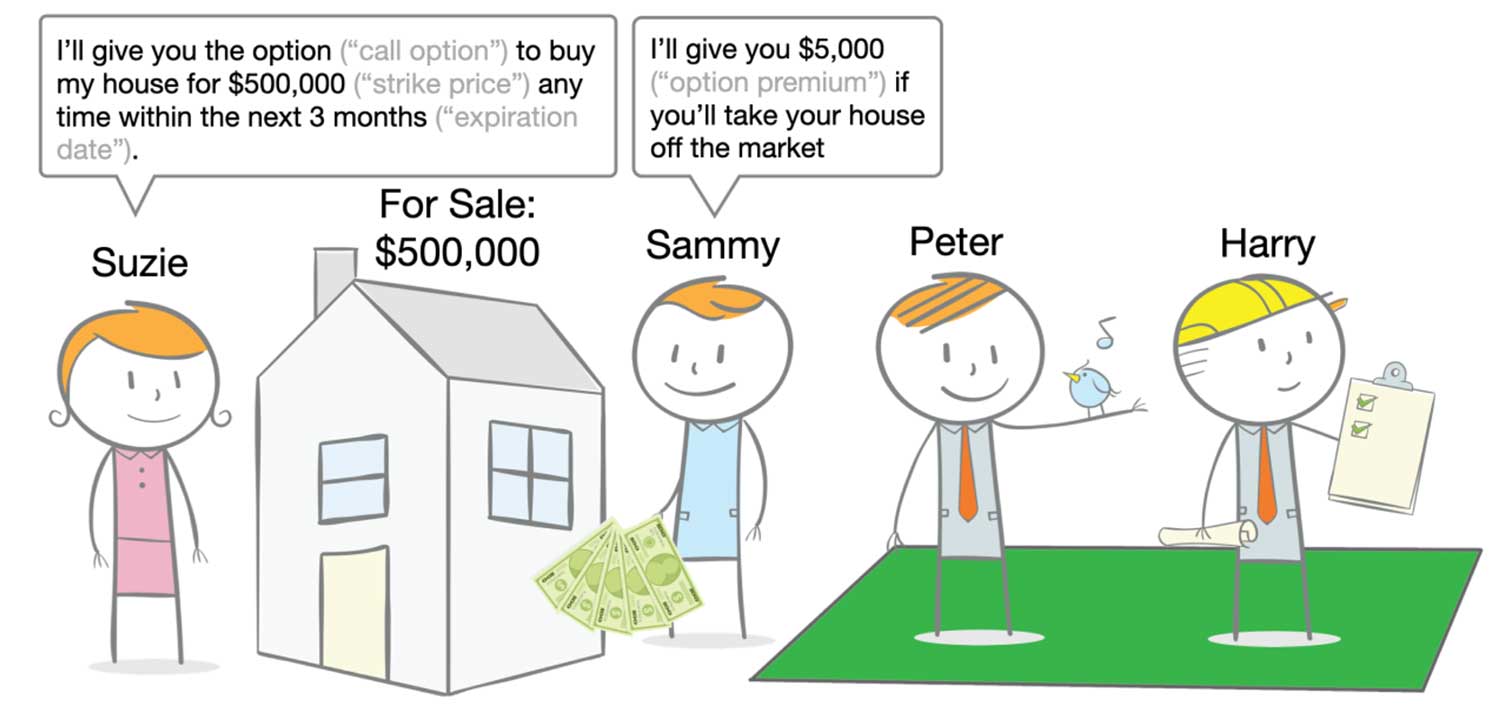
I've been teaching options to regular people since 2001, and this is easily my most popular training of all time.
Here are a few comments from my readers:
• "BEST EXPLANATION on Options hands down!!"
• "Best explanations i've seen on the net so far! great job!"
• "This was so so helpful. The cartoons helped and then all of the sudden, the formal definition just clicked! Thank you!!"
• "Bill Poulos is the first to explain call and put options in a language I understand."
• "I’m not even done... and the explanation is so good I had to comment. Dude you are a great teacher."
This report sells for $29.97 on my website, but today, you can download a copy for free.
The only catch is that the download link will expire, and when it does, you'll have to pay full price on my website.
P.S. This is my #1 most popular options trading report. Normally $29.97 on my website, but free via this backdoor download link:
Click here to get the free version.
THE OPERATION
The double transmission
The first route runs through operating costs. Fuel moves aircraft, trucks, ships, farm equipment, and industrial heat. Some companies hedge part of that exposure; others buy at current prices. Either way, the protection expires on a schedule, while the replacement price arrives with every new contract.
The second route runs through the discount rate. The 10-year Treasury is the reference point beneath mortgages and much of corporate credit. When its yield rises, a company can report the same future cash flow and still lose present value because investors are applying a more expensive rate to the years ahead.
The two routes converge in margins. A producer that absorbs higher energy and freight costs earns less per unit. A producer that passes them forward protects margin but adds to inflation. The first choice weakens earnings. The second can keep the Fed restrictive and the Treasury curve elevated.
The economy is not entering this test from a recessionary base. Real GDP grew at a 1.5% annual rate in the second quarter. Real final sales to private domestic purchasers rose 3.9%, consumer spending rose 3.2%, and nonresidential business investment rose 8.4%. The engine is running. That is precisely why policymakers have room to keep pressure on inflation.
The labor market sends a similarly split signal. Initial unemployment claims were only 199,000 in the week ended 1 August, a historically low level of layoffs. Yet June payroll growth slowed sharply and labor-force participation fell. Employers are not dismissing workers in volume, but they are becoming more selective about adding them.
If oil rises while Treasury yields rise, the market is pricing an inflation problem. If oil rises while yields fall, it is pricing a growth problem. Thursday delivered the first pattern: a more expensive barrel and a more expensive benchmark rate at the same time.
Today’s employment release can rotate that pattern within seconds. A stronger report can reinforce the Fed’s ability to hold or raise rates. A weaker one can pull Treasury yields lower, but it cannot reopen an energy route or manufacture barrels. The jobs number controls demand expectations. Hormuz still controls the supply tail.
RULES OF ENGAGEMENT
Your exposure
Read today’s market in pairs. Put the payroll figure beside the participation rate and wage growth. Then put the 10-year yield beside Brent. A single headline cannot distinguish stronger demand from tighter supply, and the portfolio consequences move in opposite directions.
Audit duration before chasing the first move. High-multiple technology, long-maturity bonds, utilities, and real-estate securities are especially sensitive to the discount rate. Airlines, transport operators, chemicals producers, and discretionary retailers carry more direct exposure to fuel or freight. One account can own both sides without showing the overlap in its ticker list.
For individual companies, check three lines: energy expense, gross margin, and interest expense. A margin held steady by price increases can preserve this quarter’s earnings while weakening the customer later. A fixed-rate debt stack can delay the hit from higher yields, but every maturity date eventually reaches the refinancing desk.
Do not confuse a quiet index with a quiet mechanism. On Thursday, the S&P 500 moved less than one quarter of one percent while Brent moved almost four percent and the 10-year yield added four basis points. The headline index averaged the conflict away. Operating statements and refinancing schedules will not.
The immediate signal is not oil alone and not payrolls alone. It is whether a resilient labor market gives the Fed permission to keep rates high while an unstable energy route rebuilds inflation. That combination taxes margins, raises financing costs, and reduces the present value of future cash flow—all before the next earnings call explains it.
Editorial sources: Associated Press market reporting, August 6, 2026; U.S. Energy Information Administration petroleum-market analysis, July 15, 2026; Federal Reserve FOMC statement, July 29, 2026; U.S. Bureau of Economic Analysis second-quarter GDP and June personal-income-and-outlays releases, July 30, 2026; U.S. Bureau of Labor Statistics June employment report; U.S. Department of Labor weekly unemployment claims, August 6, 2026. Sponsored section reproduced verbatim from advertiser-supplied material.
END OF TRANSMISSION.
EYES ONLY
EYES ONLY
SUBSCRIBER ONLY // DO NOT FORWARD WITHOUT PERMISSION
Clearance
This wasn't meant for everyone.
You're here because you already know the official story doesn't add up. One dossier lands every morning, before the market opens. Enter your email for clearance.